Trip to Florida – August 2024
At the end of August I had a chance to visit a new location – the U.S. state of Florida. Florida is not just another state, it is one of its kind with an opportunity to find some rather unique birds. Unfortunately I did not have a lot of time to explore its wonders because of the obligations of my visit. I obviously hoped to see a few good birds in the city I was staying in, Orlando, but also I wanted to visit some wilder places, both on the seashore and inland. So I extended my stay into the weekend, which gave me roughly one and a half day for travels.
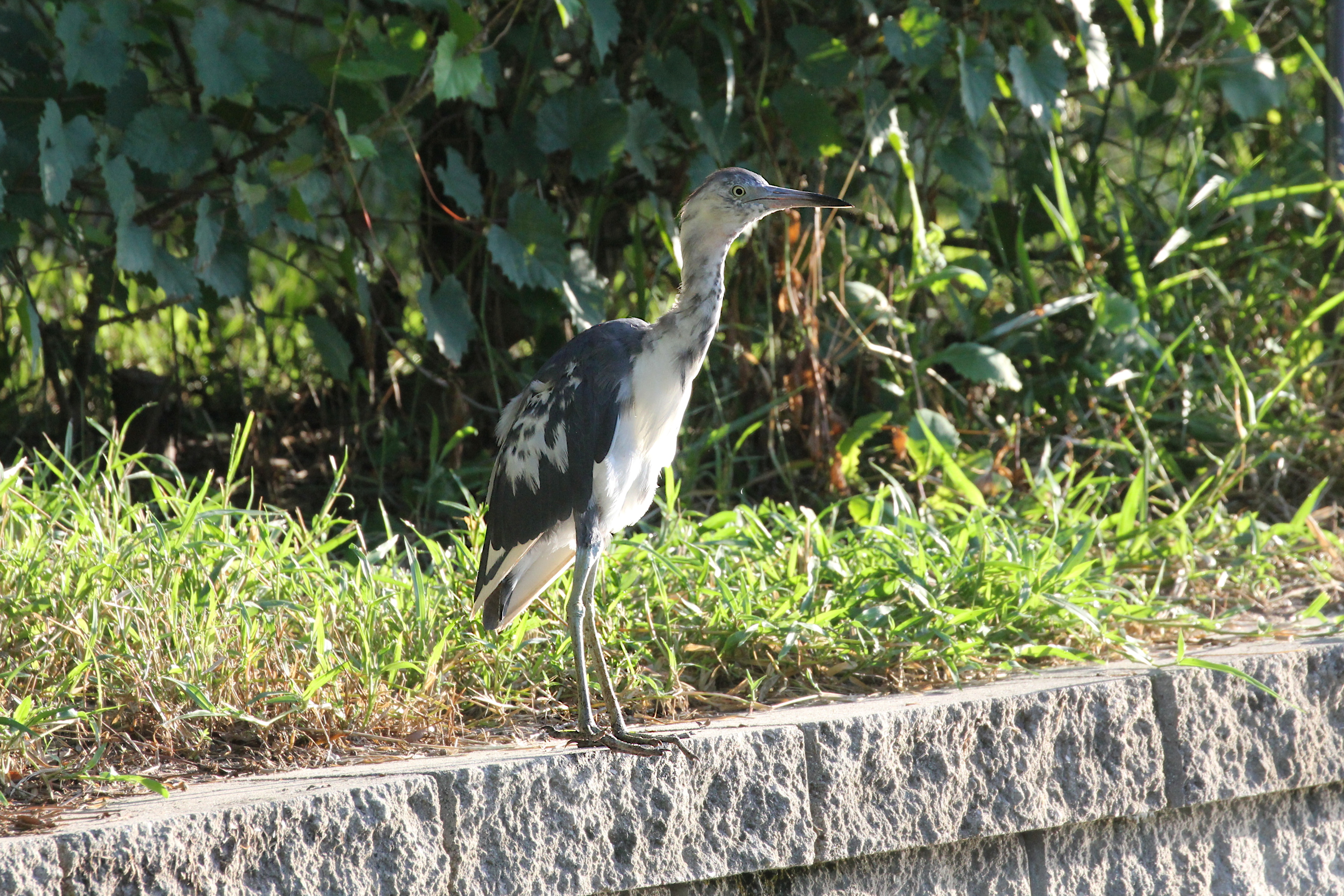
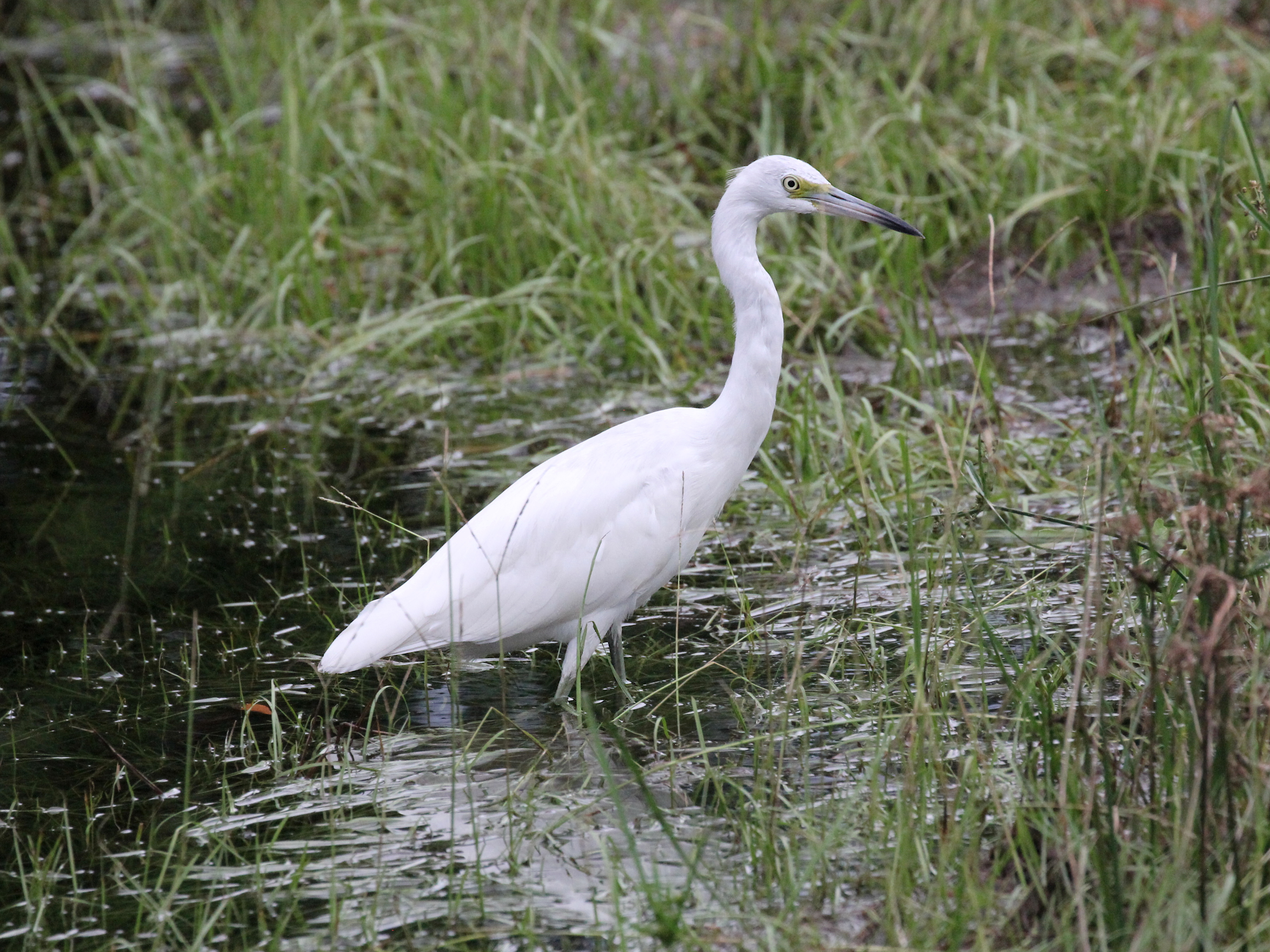
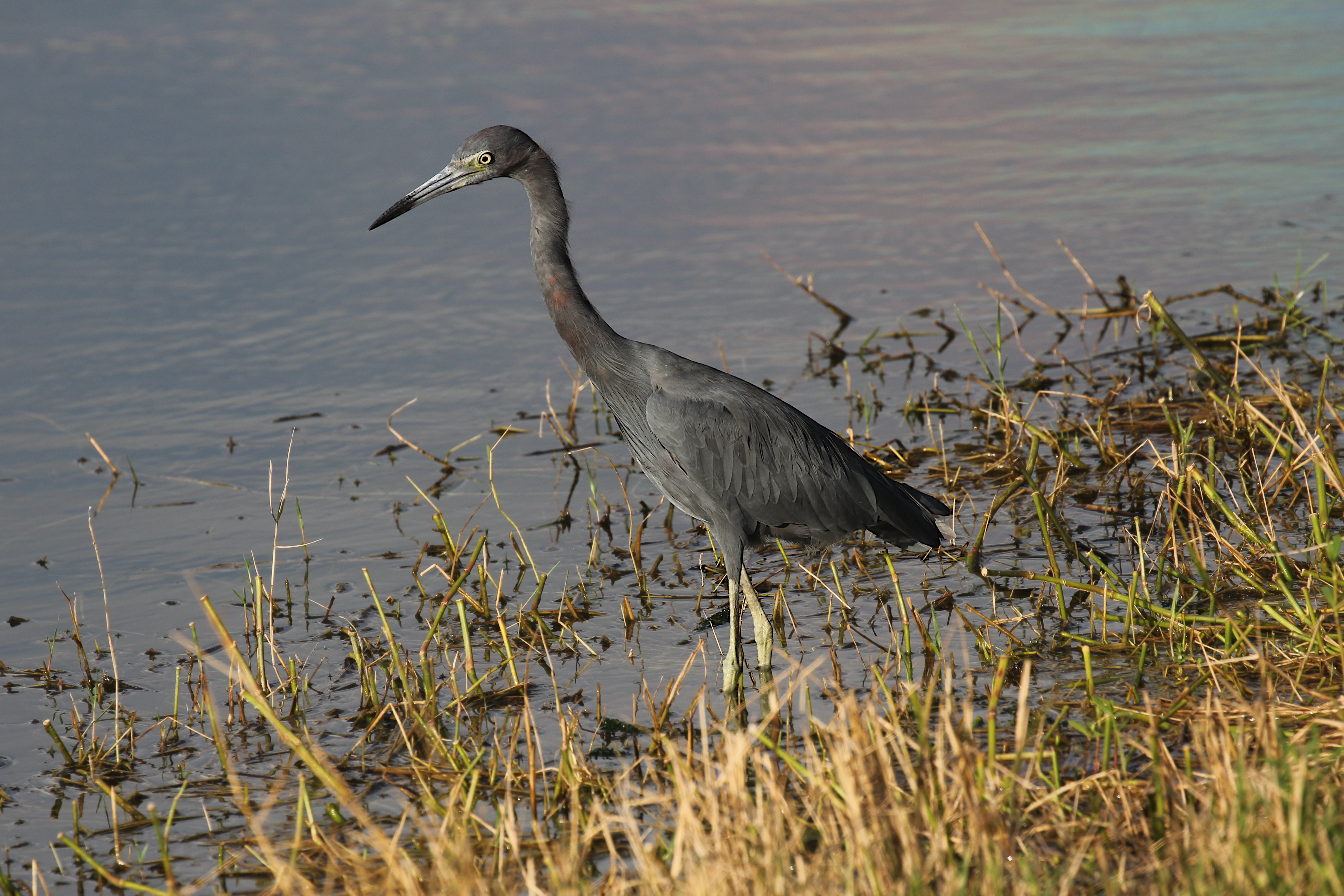
I did not do a lot of birding the day I arrived, but the next day I left my hotel early in the morning to check out a few water bodies I noticed in the vicinity. I was immediately greeted by a multitude of egrets and herons: Great White Egret, Tricolored Heron, Little Blue Heron, and later that day saw a Snowy Egret and a Great Blue Heron. As my birder friend Viktor Moroz, who has visited Florida in February, noted: “Florida is a Heron country.”
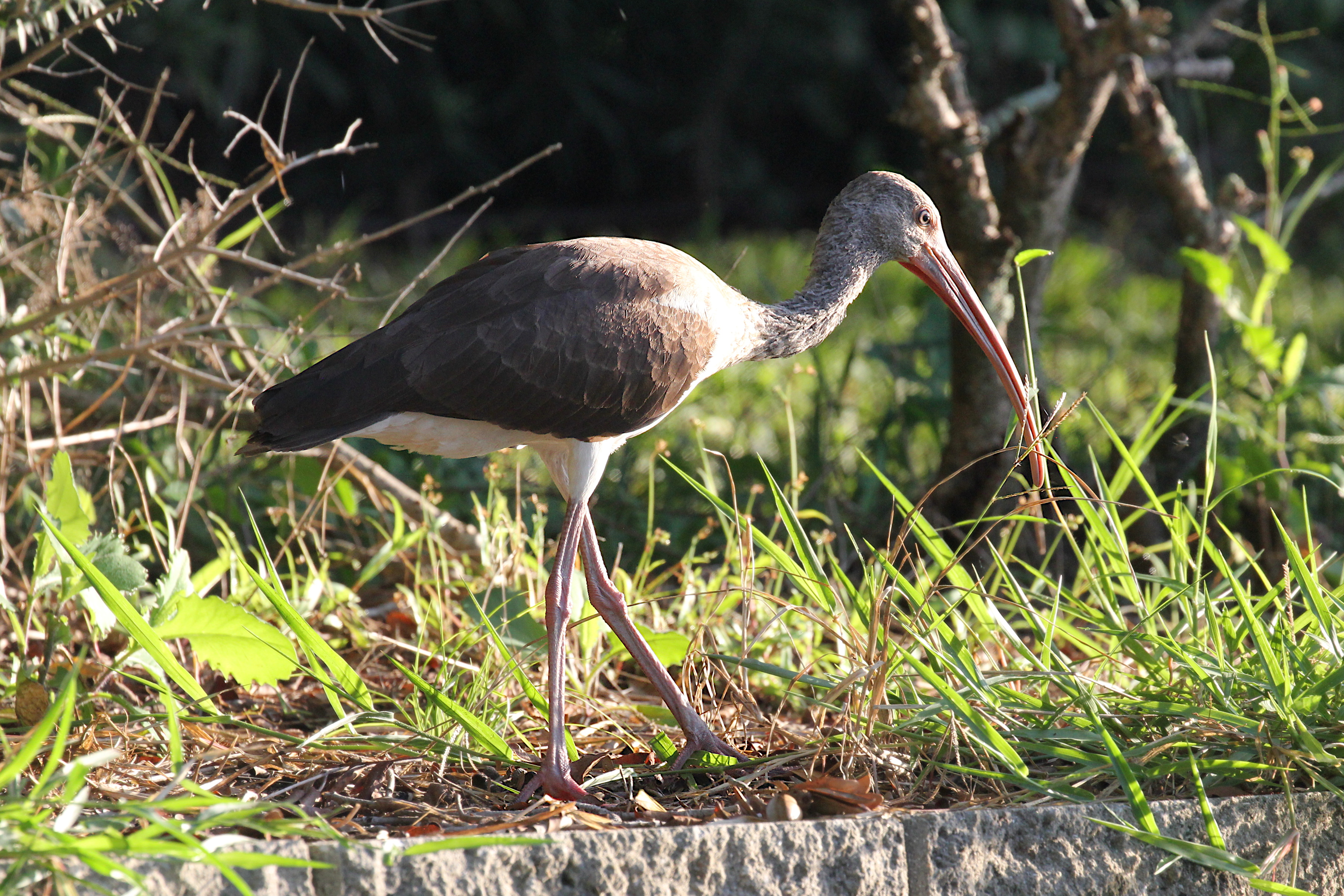
This is where I added my first lifer of the trip: White Ibis. However the first ibises I saw were not white, but brown and streaky, since they were juvenile. Same with the Little Blue Herons, who varied in colour ranging from pure white (I saw one like this in Winnipeg once), to solid blue, with weird spotted individuals in the middle.
![[photo]](https://birdwatchorgua.s3.amazonaws.com/whiteibis323072-finaeqmfqvly.jpg "[photo]")
Later that day I was walking to a store during a break, and noticed a warbler in the trees. This happened to be another lifer – a Yellow-throated Warbler. An astonishing bird, with its bright yellow throat and long bill! This species turned out to be quite common, I saw it on my later trips too.
![[photo]](https://birdwatchorgua.s3.amazonaws.com/yellowthroatedwarbler332112-lmeu4zv2961k.jpg "[photo]")
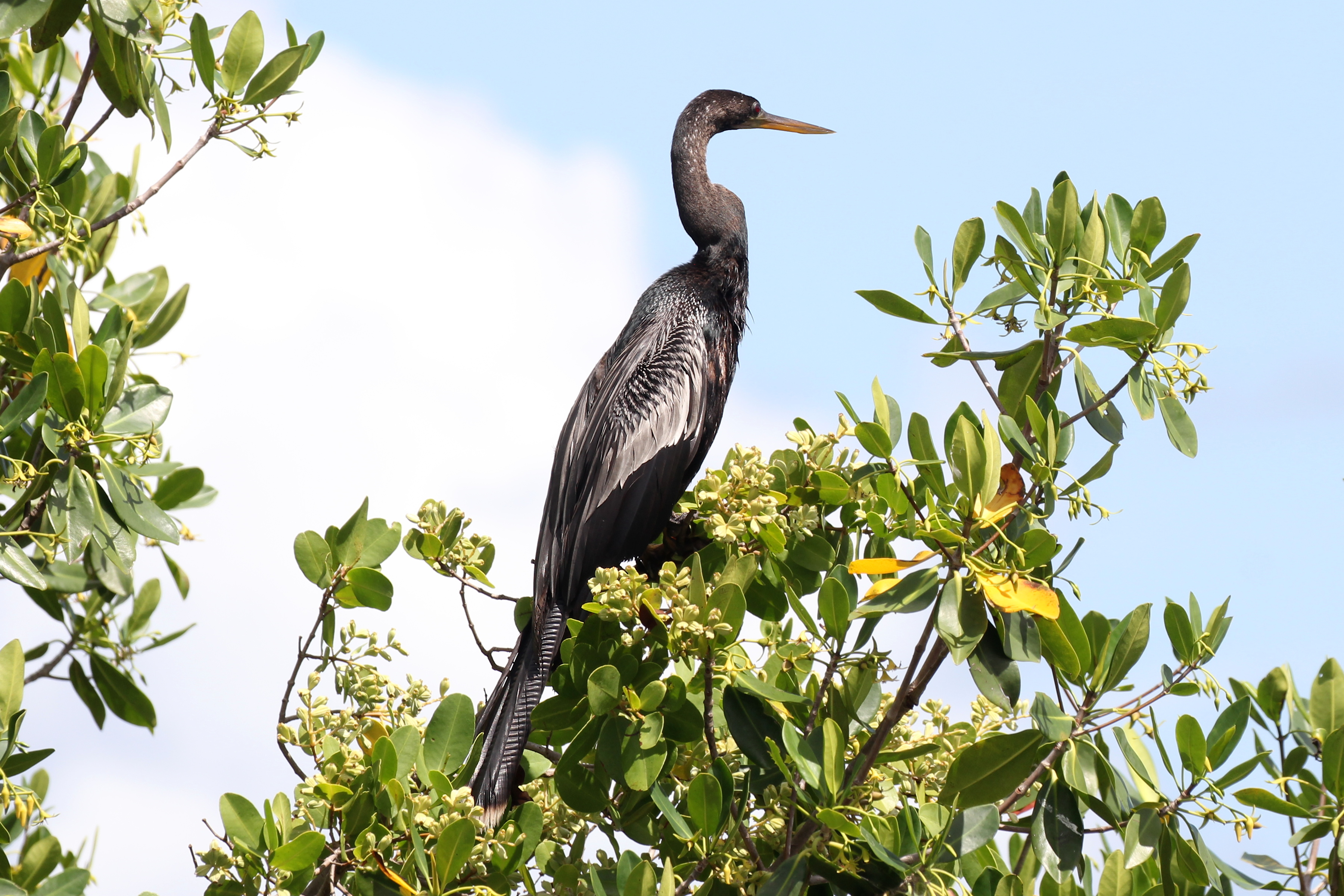
Finally in the evening I again went to the chain of ponds, this time reaching farther. I was rewarded with three more lifers. The first one was a Limpkin, an amazing bird which looks like a heron or ibis, but in fact belongs to the cranes and rails order. Then there was an Anhinga flying by, and a few Wood Storks too. The latter turned out to be the most elusive. I constantly saw them in flight, but never standing on the ground (or in the water). That was until the last day, when I spotted one early in the morning, in the mist, in the distance, in a ditch, in front of a Great Blue Heron.
![[photo]](https://birdwatchorgua.s3.amazonaws.com/limpkin332615-we3w7ie8gv5o.jpg "[photo]")
Next day I went birding in the evening – to a thing called Lake Cay Urban Trail. It was pretty urban indeed – a paved path around the pond, and half of it was closed for the benefit of a new development! Still, it was not too bad, since on that pond (and another one across the road) I got better looks at an Anhinga and a Limpkin, and also spotted my first Bald Eagle in the United States! Additionally that day I saw some common East Coast birds like Northern Mockingbird, Tufted Titmouse, Blue-gray Gnatcatcher, Northern Cardinal, Red-bellied Woodpecker, and Northern Parula.
But the real story started the next day, when my obligatory activities ended at midday, and I was free to go anywhere I wanted. I stocked up on some snacks and water and went for a ride. (While picking up a rental car I heard and then saw a Killdeer flying over a crowded urban plaza – another addition to my U.S. list!)
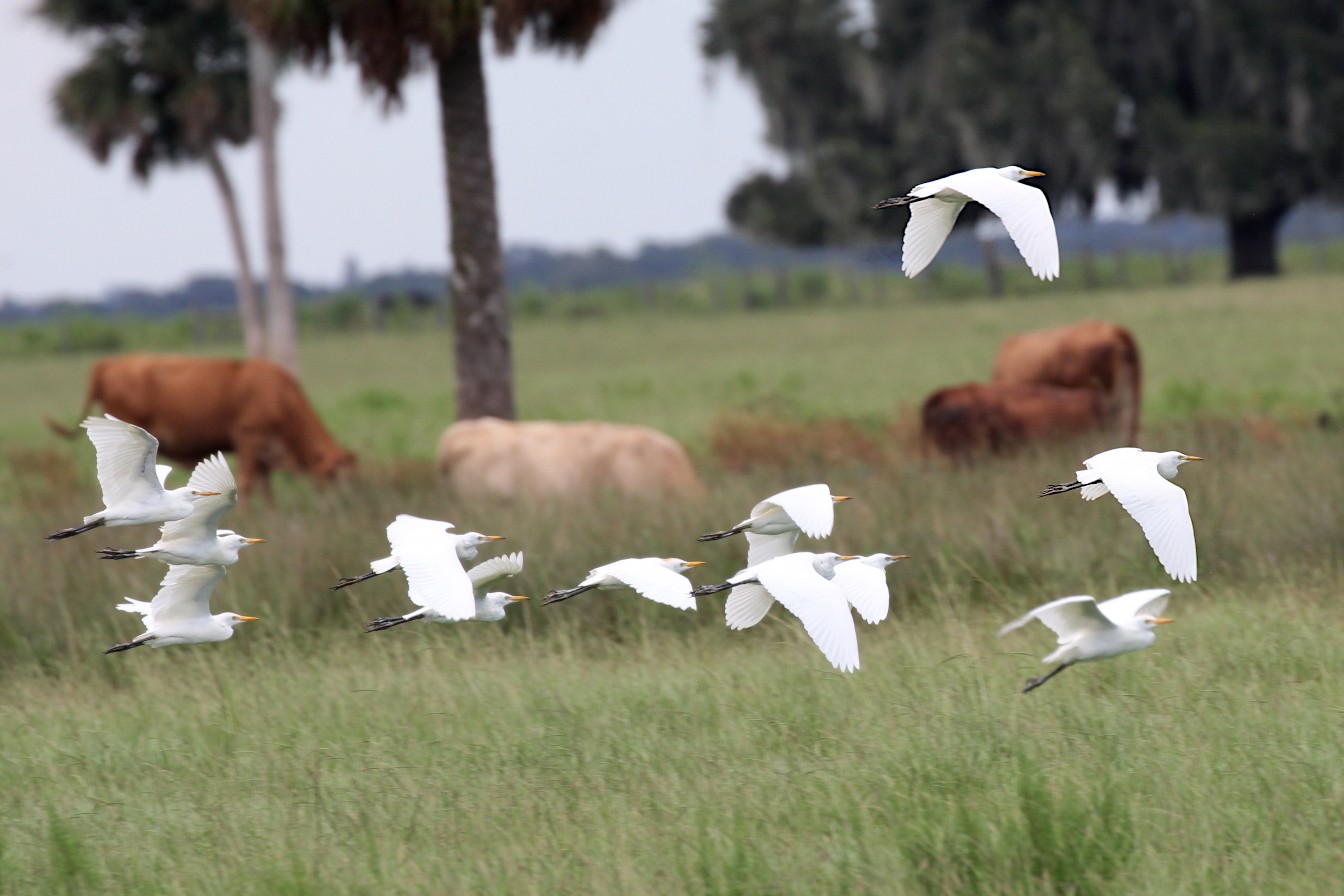
Of course, I took a couple wrong turns first, but eventually I was on my way to my first destination. As soon as I reached rural areas, I started seeing some birds: Black Vultures, hundreds of Western Cattle Egrets guarding the cattle, and, most importantly, Sandhill Cranes (another +1 to my U.S. list).
Finally I have reached the Three Lakes WMA – Prarie Lake Unit. I paid 3 dollars by putting the money in an envelope and dropping it into a box. It was pretty quiet and unfortunately already rather hot. Only a lone Turkey Vulture was circling in the sky. (I will see more of those here, as well as Black Vultures.)
According to Wikipedia, this WMA is “the second largest remaining expanse of dry prairie in the United States”. It is also known for housing an isolated population of a distinct floridan subspecies of Grasshopper Sparrow (which I did not meet, probably because of the season and time of day). Other unique birds that can be found here are Brown-headed Nuthatch, Red-cockaded Woodpecker, Snail Kite, and Short-tailed Hawk. Obviously, I have spotted none of those.
![[photo]](https://birdwatchorgua.s3.amazonaws.com/anhinga332520-5bkzd7z38wl3.jpg "[photo]")
The scenery at the WMA is rather amazing: it looks like a regular forest and prairie but with palmettos (?) generously added here and there, that give it kind of a tropical look. There were not many birds, until I reached a creek in the forested area, where I saw a Green Heron. Also two birds were singing rather loudly, one of which was a Carolina Wren, and another was identified by the Merlin app as White-eyed Vireo, which would be a lifer for me. I absolutely did not want to record a “heard only” lifer, since I did not even recognize it myself. The bird moved and sang very close, but was pretty secretive (or the thickets were too dense), forcing me to spend 10-15 minutes until I finally placed my binoculars on it. The White-eyed Vireo is a rather spectacular bird, and its more prominent feature is its yellow “spectacles”. Well, this whole trip produced at least something.
It would be a bit boring to describe my further ramblings. I saw more White-eyed Vireos, Yellow-throated Warbler, Northern Parula, a few Carolina Wrens and Cardinals, many Mourning Doves. At some point I almost lost the keys to the rental car, but luckily I dropped them not in the bushes, but on the road. I took a look at the Jackson Lake, with some omnipresent egrets, herons and Common Gallinules. In the end I drove through the pine stands in the hope to find Red-cockaded Woodpeckers, but only saw a Downy.
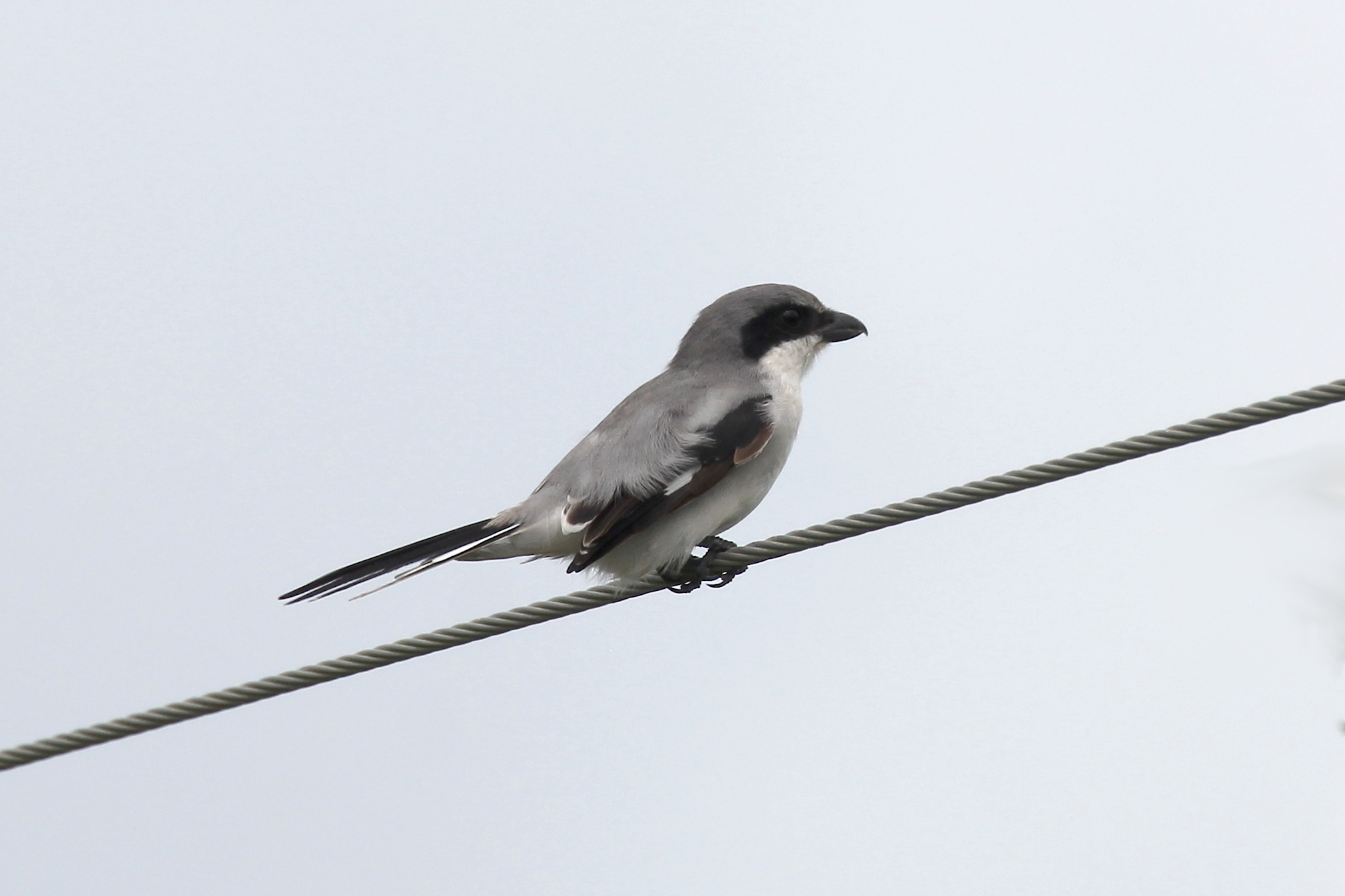
Since I still had some time I decided to visit Lake Kissimmee, which was not my original plan. I drove there via Joe Overstreet Road which, as I later learned, is a birding hotspot in itself. I was happy to see a few Loggerhead Shrikes and hundreds of Cattle Egrets mingling with the grazing cows. Access to the lake was quiet and empty on a Friday and I spent some time scanning the lake. The birds were mostly herons and egrets, tens of Boat-tailed Grackles, and a familiar sound of Eurasian Collared Doves. No trace of Snail Kites, who nest on the lake.
![[photo]](https://birdwatchorgua.s3.amazonaws.com/snowyegret332185-wepwk01ift5s.jpg "[photo]")
The next day was the only day I had fully dedicated to birding. I had to wake up pretty early, which was a bit difficult due to me being somewhat exhausted the previous day. Anyway, some hot tea helped me to restore my energy, and I set off driving the road that used to be called Bee-Line Expressway, but later was renamed to a more boring Beachline Expressway.
After a bit more than an hour I have arrived at my target destination: Canaveral National Seashore, which is located on a large barrier island separated from the mainland by a chain of lagoons. As soon as I entered the protected area, I stopped at a series of vistas along the road, and here I was greeted by my first lifer of the day: Red-shouldered Hawk. Frankly speaking, I was surprised I did not see this Buteo hawk more often: according to eBird it was supposed to be one of the most abundant and easy to found birds.
![[photo]](https://birdwatchorgua.s3.amazonaws.com/redshoulderedhawk332974-a0944x8u13wp.jpg "[photo]")
From one of the vistas I saw some obviously space-related installations: the island is also home to the John F. Kennedy Space Center and the famous Cape Canaveral.
When researching the location one of my fears was that the Playalinda Beach will be crowded and parking will be scarce, since it was Labor Day weekend, and the place was, well, a beach in Florida in August. This fear turned out to be completely unfounded. Even in the middle of the day there were enough parking spots, and I was able to find a relatively vacant stretch of the beach to sit and look at the ocean.
Anyway, the first place I went to was so called Eddy Creek, which was in fact kind of a small lagoon attached to a much bigger lagoon. There was not too many birds, but I have almost immediately met two lifers! The first one was a Royal Tern flying over the lagoon, making its shrill ternish sounds, and the next one was a Reddish Egret (the only egret I have not already found in Orlando). Another curiosity was those small crabs you see in nature documentaries, that congregate in groups and run away synchronously as you move closer to them.
![[photo]](https://birdwatchorgua.s3.amazonaws.com/reddishegret323019-pvcnazjzhjwp.jpg "[photo]")
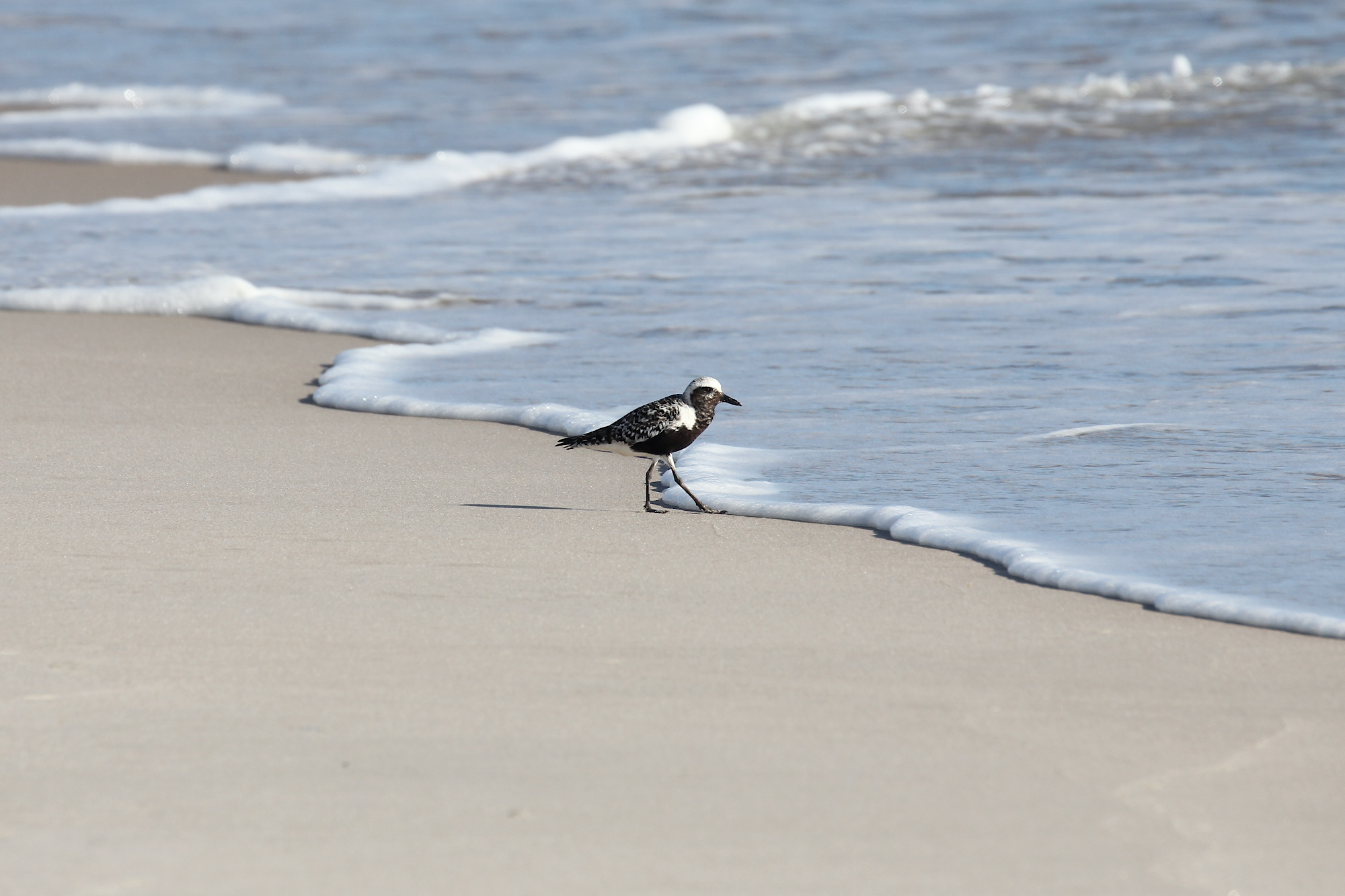
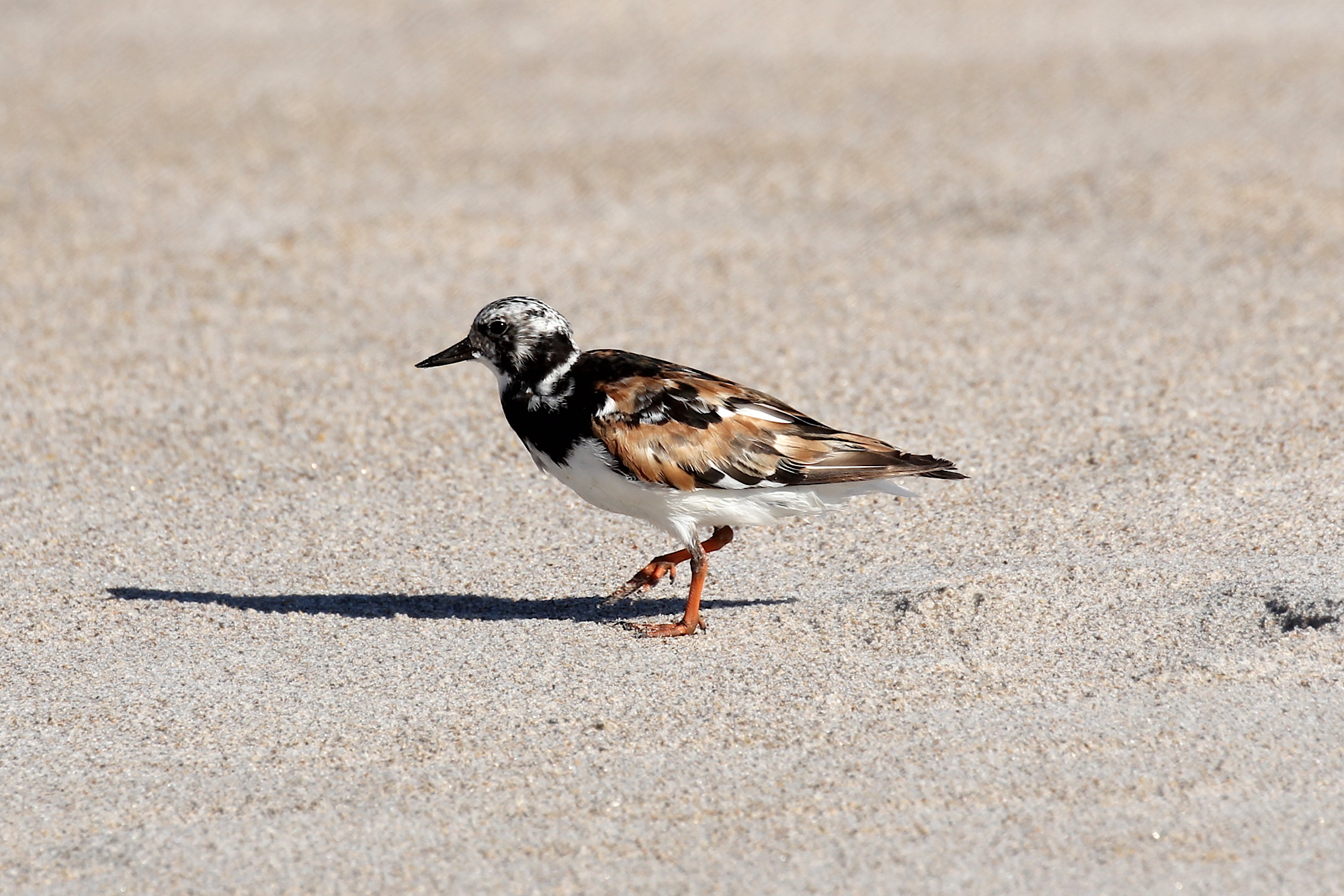
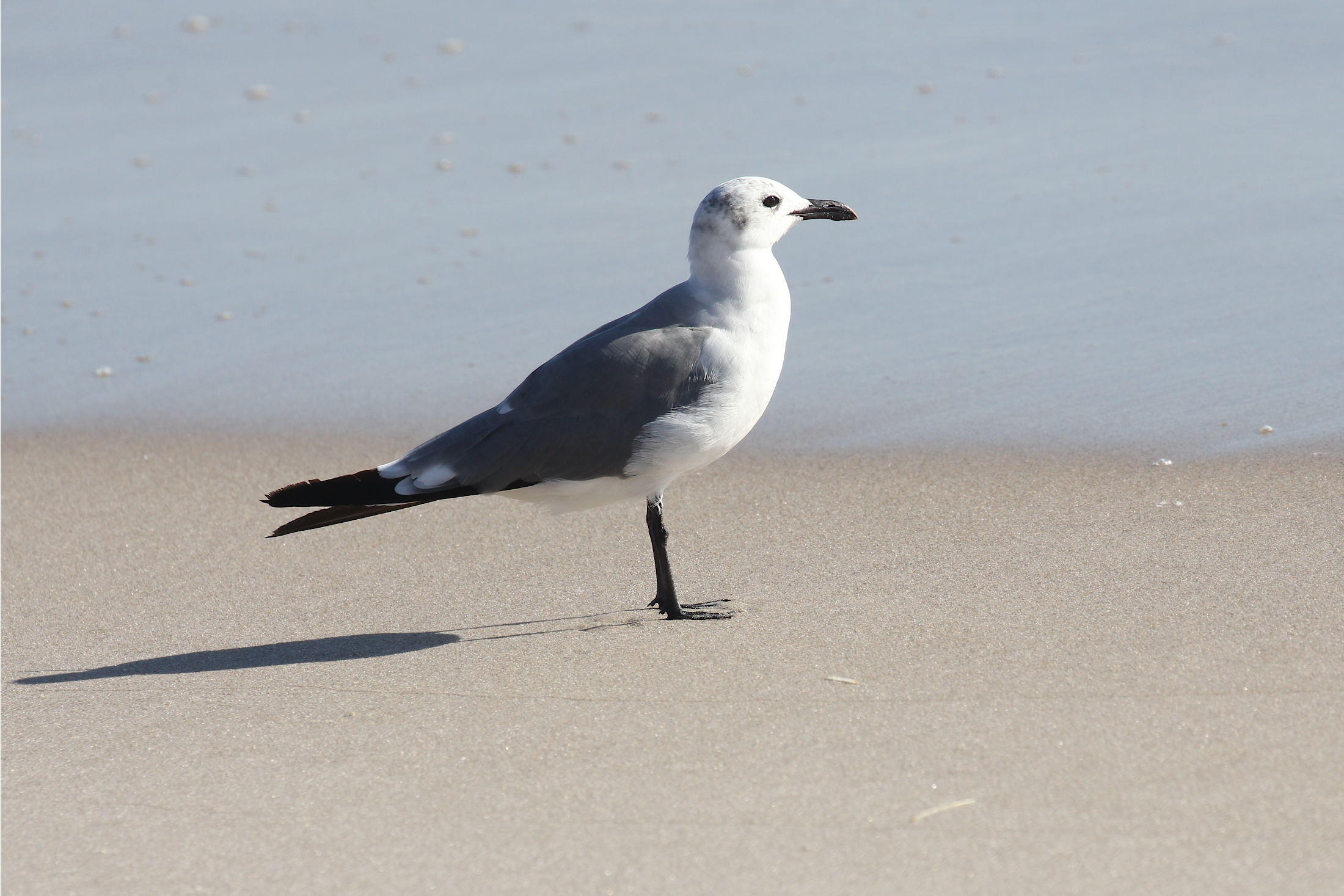
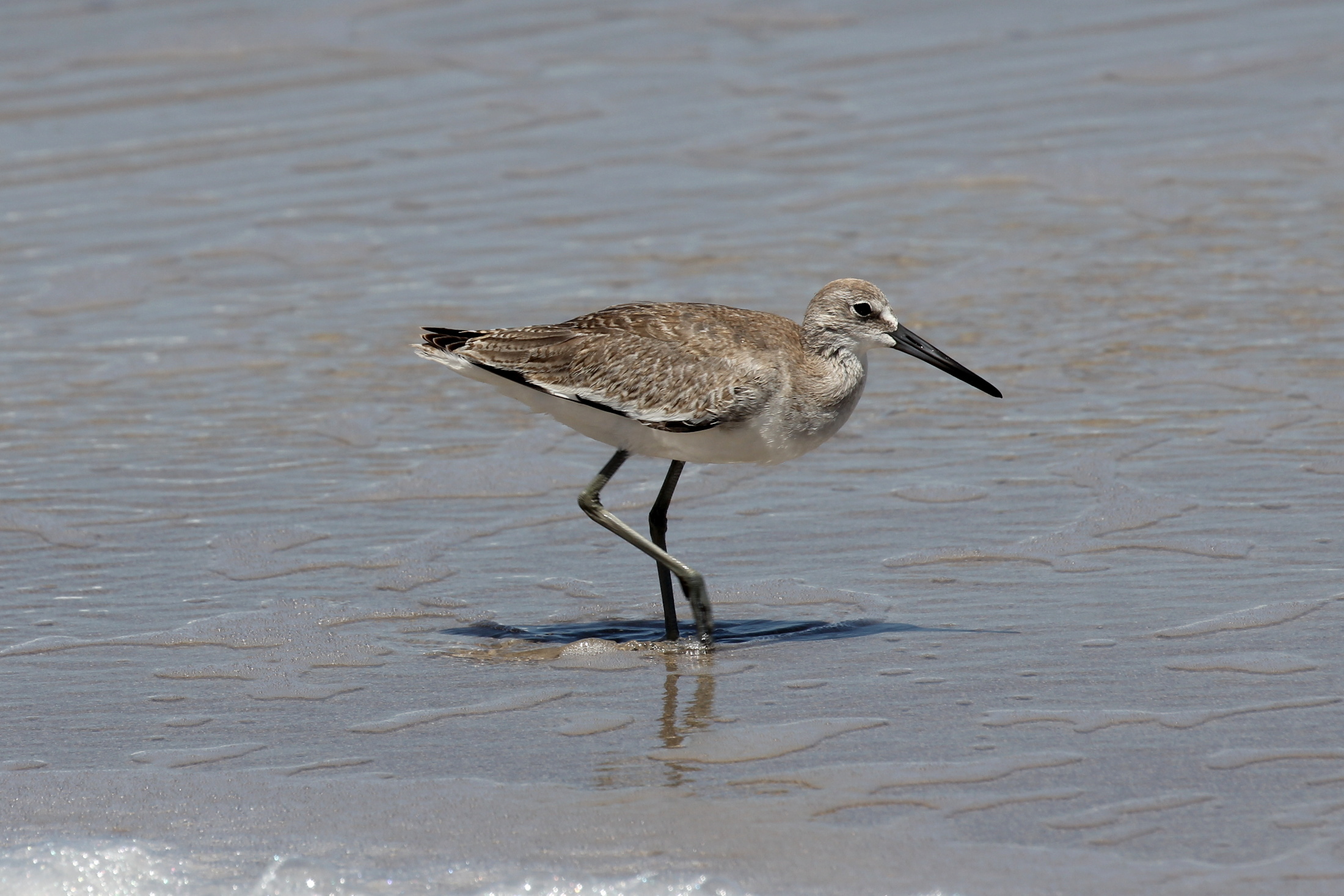
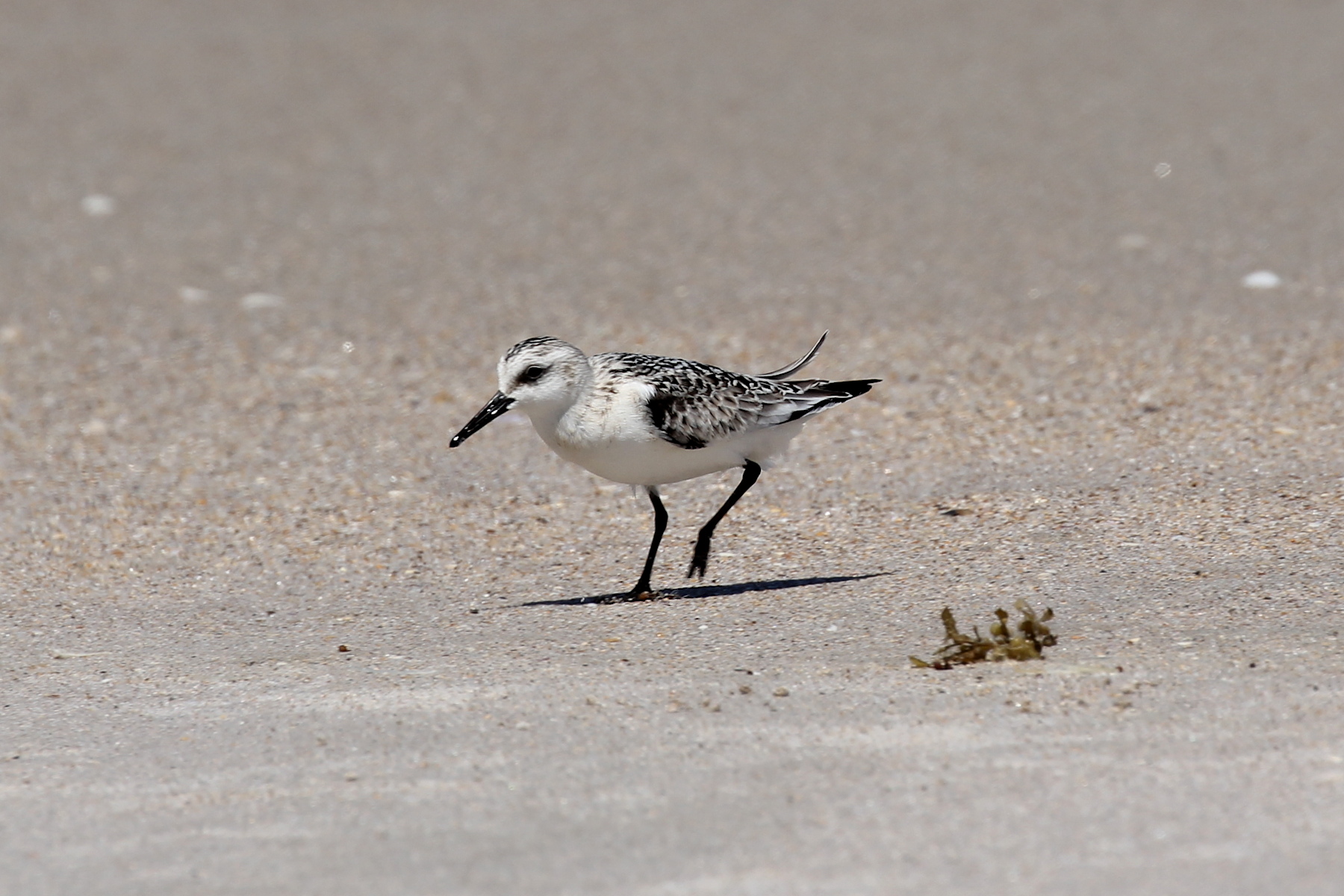
After that I crossed the road and finally reached the biome I placed my highest hopes on (completely unfounded) – the beach. Besides the Boat-tailed Grackes, the first birds I saw were the shorebirds: Sanderlings, Ruddy Turnstones, Black-bellied Plovers and a Willet, the latter three being new additions to my U.S. list. Laridae were represented by a few Laughing Gulls and Caspian Terns (another new U.S. species).
My most desired target was Black Skimmers. Those outlandish birds, that I always read about when I lived in New York, but never managed to see them (did not really try a lot). I was scanning the ocean surface with my binoculars, but all in vain! Well, not totally in vain: I spotted another lifer, a lone Brown Pelican! But this was the end of it.
![[photo]](https://birdwatchorgua.s3.amazonaws.com/brownpelican333653-pjgrb09gutbn.jpg "[photo]")
So, having ticked the seaside birding checkbox in my imaginary to-do list, I drove back until I reached a trailhead that suggested a selection of two trails: Oak Hammock of 1/2 miles and Palm Hammock of 2 miles. I chose the first one. In general I tried to keep myself from walking too much, knowing that this can quickly exhaust me, and I still had a lot of spots to visit. Anyway, the trail was pretty quiet, although I heard a Pileated Woodpecker. But here I spotted the last, fifth lifer of the day – Prothonotary Warbler! This one I am especially proud of, since it is not in the list of obligatory birds and I recognized it fully by myself. When looking at the photos of this species I was always worried I can mistake it for a Yellow Warbler, but it turned out to be quite distinct.
By the way, these trails belong to the Merritt Island National Wildlife Refuge, which exists on the same island in weird symbiotic relations with Canaveral National Seashore. So I headed to the Visitor Center to diligently pay $10 entrance fee. There I was told that the Center’s feeder has been repeatedly visited by a Painted Bunting, and it was seen just a few minutes ago, so I waited for about 15 minutes, but it never returned (one of my many misses this day).
After that I drove down the Black Point Wildlife Drive, which goes through a large wetland. Here I saw a lot of already familiar birds: herons, egrets, White Ibises, Anhingas etc. Also Ospreys, Mourning Doves, Black and Turkey Vultures were represented. A couple more interesting sightings: Glossy Ibises, which I have not seen in North America since 2010, and a couple of American Avocets, who became another (the last) addition to my U.S. list.
![[photo]](https://birdwatchorgua.s3.amazonaws.com/glossyibis333452-eer6mb4d4p7q.jpg "[photo]")
My next destination was Scrub Ridge Trail. Apparently, the wildlife refuge is a known habitat for Florida Scrub Jay, an endemic of the state and a vulnerable species. I walked the trail, but in the heat of the day bird activity was already extremely low. After that I went to the Manatee observation point where I did not see any manatees, or any new birds, but spotted a few more Brown Pelicans, adding to the single one I saw earlier.
From that moment on my travel has acquired a bit of an obsessively repetitive quality. I drove down the Biolab Rd, not seeing anything new. Then I decided to go back to the beach. On my way there, on the roadside, I saw my first and only alligator, which quickly turned back and disappeared. At the beach I sat for about half an hour, hoping for Black Skimmers, but all I saw was the same four shorebird species. However, there was a gorgeous Black Vulture perched on a post just in the parking lot, which I was happy to take a picture of.
![[photo]](https://birdwatchorgua.s3.amazonaws.com/blackvulture333711-26pm7b7z9rwe.jpg "[photo]")
Then I drove slowly back to Scrub Ridge Trail, because someone has reported a Scrub Jay along this road the previous day. But it all was in vain. I decided not to walk the trail, just entered it and looked around for some time. After that I went to the Visitor Center to check the feeder for Painted Bunting, and it was not there. And this was the end of my big Florida birding day.
Overall I saw 66 species in the state, which is more than I recorded in Texas (62) or Arizona (55). Eleven lifers brought my lifelist to 564. Besides those 11, nine others were new for my United States list, which reached a psychologically significant number of 200. A few birds I have not seen since living in New York, including Tricolored Heron and two others I last saw at Jamaica Bay Wildlife Refuge exactly 14 years before!
![[photo]](https://birdwatchorgua.s3.amazonaws.com/tricoloredheron332341-3jo85jk315d2.jpg "[photo]")